
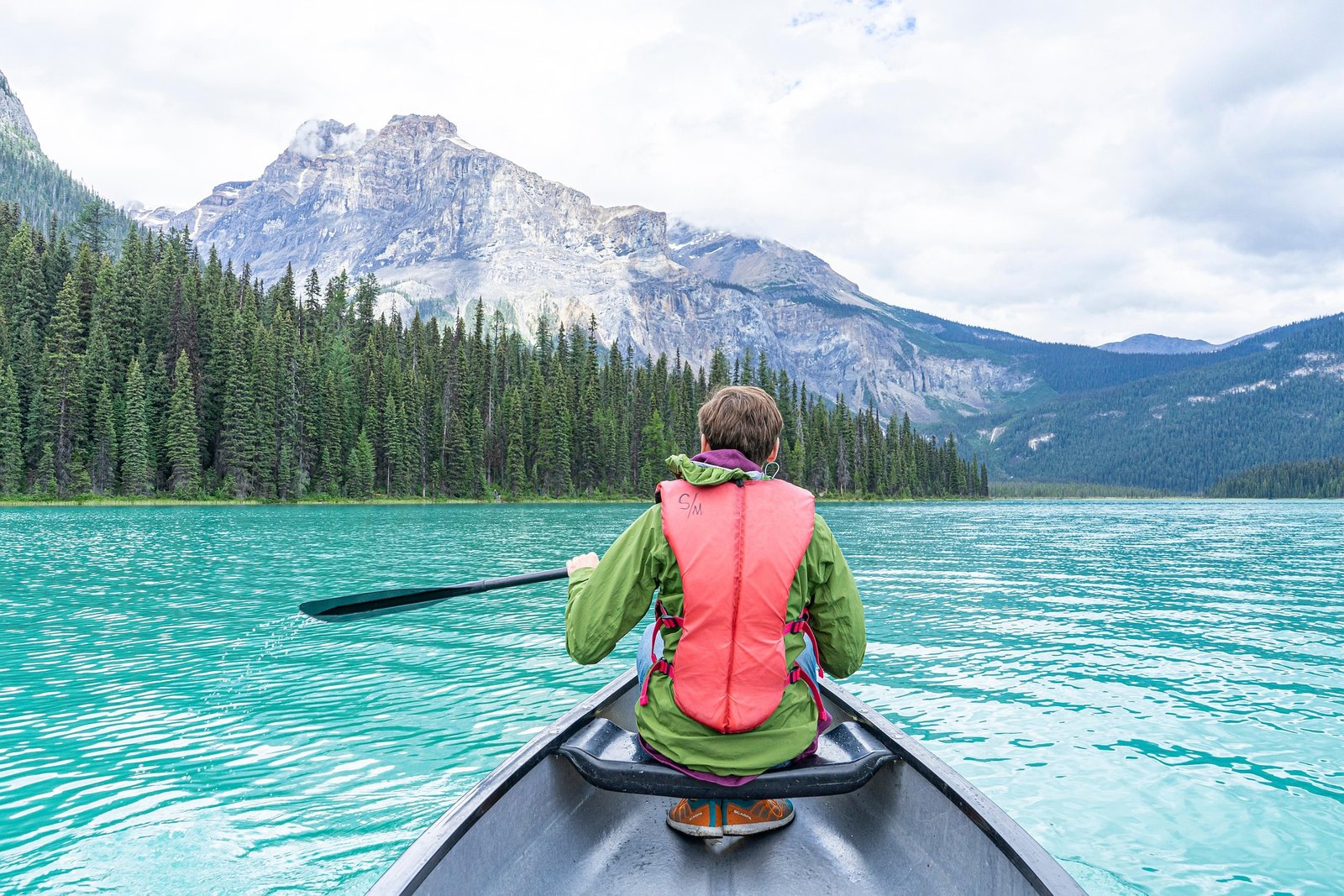
Introduction to Canoeing and Kayaking in Canada
Canoeing and kayaking have emerged as popular outdoor activities throughout Canada, offering individuals the chance to explore the country’s diverse landscapes and abundant waterways. From the majestic Rocky Mountains to the picturesque Maritimes, Canada is home to thousands of lakes and rivers, making it a prime destination for both novice and experienced paddlers alike. The accessibility of these water bodies encourages outdoor enthusiasts to engage in various forms of paddling escapades, whether it’s a serene outing on a tranquil lake or an adventurous journey through white-water rapids.
The allure of canoeing and kayaking in Canada lies not only in the breathtaking scenery but also in the rich cultural heritage that surrounds these activities. Indigenous peoples have paddled Canada’s waters for centuries, utilizing traditional canoes that are now celebrated in modern paddling culture. Today, canoeing and kayaking have become integral components of Canada’s outdoor adventure culture, providing individuals with opportunities to connect with nature while enjoying physical activity. Many lakes are renowned for their crystal-clear waters and stunning backdrops, offering paddlers an unparalleled experience in the heart of nature.
For those new to these sports, numerous outfitters and guides are available to assist in learning the basics or enhancing existing skills. With various routes ranging from calm, beginner-friendly lakes to challenging river systems, there is a suitable environment for all levels of paddlers. As such, the popularity of canoeing and kayaking continues to grow, not only as recreational pastimes but also as means of fostering a deeper appreciation for Canada’s natural beauty. Engaging with these activities provides an excellent opportunity to witness the unique flora and fauna of Canadian ecosystems, creating memorable experiences that celebrate the great outdoors.
Factors to Consider When Choosing a Lake
When planning a canoeing or kayaking excursion, selecting the right lake plays a pivotal role in ensuring an enjoyable experience. Several key factors should be taken into account to make an informed choice that aligns with the paddler’s skill level and preferences.
First and foremost, the size of the lake is crucial. Larger lakes may offer more expansive water for exploration but can also present challenges such as wind and waves that may be daunting for inexperienced kayakers or canoeists. Conversely, smaller lakes often provide a more sheltered environment, making them ideal for beginners. Thus, paddlers should evaluate their comfort level with various lake sizes and choose accordingly.
Accessibility is another vital consideration. The distance from the nearest launch site or parking area can influence how easily one can access the lake. Lakes featuring public access points or designated launch areas are typically preferable, allowing for a more convenient outing. Additionally, assessing the surrounding infrastructure, such as nearby amenities or accommodations, can enhance the overall experience.
Water conditions, including current and wave action, play an integral role in the safety and enjoyment of canoeing and kayaking. Calm, stable waters are often ideal for novice paddlers, while more experienced kayakers may seek out lakes with varying conditions for added challenge. Paddlers should always check local weather forecasts before embarking on their journey to ensure optimal conditions.
The surrounding scenery can significantly enhance a paddling experience, as lakes framed by picturesque landscapes can be breathtaking. Consideration of the visual environment is crucial, as paddling alongside stunning natural beauty can elevate the entire outing.
Moreover, understanding safety regulations, including required permits or restrictions, is essential. Paddlers should be aware of environmental conservation guidelines to ensure they minimize their impact on these beautiful ecosystems. By taking these factors into account, paddlers can select an appropriate lake that suits their needs and abilities.
Top Lakes for Canoeing and Kayaking in Canada
Canada is home to numerous stunning lakes that are ideal for canoeing and kayaking, each offering its own unique features and scenic beauty. Among these, Moraine Lake and Lake Louise stand out as renowned destinations for paddling enthusiasts. Located in Alberta, Moraine Lake is famed for its striking emerald waters and the breathtaking backdrop of the Valais Mountains. Paddlers can navigate its tranquil waters while soaking in the mesmerizing alpine scenery, making it a popular choice for both beginners and seasoned adventurers.
Lake Louise, also situated in Alberta, is another gem that attracts canoeists and kayakers from around the globe. The lake’s vibrant turquoise color, created by glacial meltwater, provides an idyllic setting for paddling. The area surrounding Lake Louise offers various amenities, including rentals and guided tours, ensuring that visitors can make the most of their experience. Paddlers can explore the lake’s tranquil waters, as well as the nearby Bow River, to further enhance their adventure.
Beyond these well-known lakes, Canada offers several hidden gems worth discovering. For instance, Algonquin Provincial Park in Ontario is famous for its extensive network of lakes and waterways. Here, paddlers can experience the natural beauty of the Canadian Shield, along with the rich wildlife that inhabits the park. Additionally, lakes such as Emerald Lake in Yoho National Park and Okanagan Lake in British Columbia provide unique paddling opportunities surrounded by stunning landscapes and charming local communities.
In essence, whether you are seeking iconic lakes or hidden treasures, Canada’s diverse geography offers spectacular options for canoeing and kayaking. Each lake presents paddlers with unforgettable experiences and the chance to connect with the stunning natural beauty of the country.
The Best Provincial Parks for Water Sports
Canada boasts an abundance of provincial parks that are renowned for their stunning landscapes and exceptional opportunities for canoeing and kayaking. Among these, Algonquin Provincial Park stands out as a premier destination for water sports enthusiasts. Covering approximately 7,653 square kilometers, Algonquin offers a vast network of lakes and rivers, making it ideal for both novice and experienced paddlers. The park features numerous canoe routes, allowing visitors to explore its pristine wilderness while also enjoying the breathtaking flora and fauna. With facilities such as canoe rentals, camping grounds, and designated entry points, Algonquin ensures that adventurers have every necessary amenity at their disposal.
Another remarkable location for kayaking and canoeing is Killarney Provincial Park. Known for its striking granite landscapes and crystal-clear waters, Killarney provides a unique paddling experience. Its expansive waters, such as Lake Killarney and the inviting, sapphire-hued George Lake, are perfect for both solo outings and family adventures. Killarney Provincial Park also features well-maintained canoe routes and offers services including equipment rentals and campsite bookings, making it accessible for those looking to immerse themselves in nature.
In addition to these, several other provincial parks across Canada cater specifically to those who enjoy water-based activities. Parks such as Gatineau Park in Quebec and Yoho National Park in British Columbia, while primarily known for hiking and camping, also provide opportunities for kayaking and canoeing on their serene lakes. These parks offer the chance to engage with Canada’s breathtaking natural beauty while participating in recreational water sports.
Whether you choose Algonquin or Killarney, both parks are exemplary in providing the facilities, breathtaking scenery, and overall experience that water sports enthusiasts seek. These provincial parks not only celebrate Canada’s natural splendor but also ensure that paddlers enjoy memorable adventures on the water.
Planning Your Canoeing or Kayaking Trip
When embarking on a canoeing or kayaking adventure, thorough planning is crucial for a successful experience. Begin by determining your destination, as Canada boasts numerous pristine lakes ideal for such activities. Research each location to understand the specific regulations, including whether you need permits to paddle. Some national parks may have designated areas for canoeing and kayaking, ensuring preservation of the natural environment while providing a safe recreational space.
Transportation logistics must also be considered. Assess how far you need to travel from your starting point to the launch area, and whether you require a vehicle with adequate space for your canoe or kayak. For those planning multi-day trips, consider how to transport your gear efficiently, perhaps using a roof rack or trailer. If you are using public transportation, check if your selected route accommodates large watercraft.
Weather conditions play a significant role in the enjoyment and safety of your trip. Before setting out, review local forecasts and plan accordingly. It is advisable to choose times of the year when the weather is mild and stable, reducing the risk of sudden storms or temperature drops. Being prepared with knowledge of the environment will enhance your experience on the water.
Equipment rentals are often available at popular canoeing and kayaking locations. This can be a suitable option for those who may not wish to travel with their own gear. Ensure that safety gear, including life jackets, paddles, and emergency kits, is included in your rental package or plan to bring your own. Moreover, pack essential supplies such as food, water, a first aid kit, and sunscreen to ensure comfort and safety throughout your excursion.
Creating an itinerary can further enhance your trip. Outline daily paddling routes, potential resting spots, and points of interest. Be flexible in your planning to adapt to changing weather or fatigue levels. Preparing for a range of circumstances will contribute to a memorable canoeing or kayaking experience in Canada’s stunning landscapes.
Wildlife and Nature Experiences While Paddling
Canoeing and kayaking in Canada offer remarkable opportunities for wildlife observation and immersion in stunning natural landscapes. The pristine waters of Canadian lakes create a unique environment that supports diverse ecosystems, making each outing a chance to witness various species in their natural habitats. From the rugged coastlines of British Columbia to the serene shores of Ontario, canoeists and kayakers alike have the potential to encounter an array of wildlife including loons, otters, deer, and even the majestic moose.
To enhance your wildlife experience while paddling, it is crucial to adopt respectful practices. Maintaining a safe distance from animals reduces stress on them and increases the likelihood of observing their natural behavior. Silence is vital; the less noise made while paddling, the more likely wildlife will feel secure enough to appear. Utilizing binoculars can provide a close-up look without encroaching on their space. Early mornings and late afternoons tend to be the most active times for many animals, making these periods ideal for observation.
Additionally, the changing seasons offer distinct opportunities for nature enthusiasts. Spring welcomes migratory birds returning to breed, while autumn transforms landscapes into vibrant hues as foliage changes. Each season brings unique encounters with wildlife and shifting aquatic life, allowing paddlers to appreciate the cycle of nature. Furthermore, keeping a nature journal can enhance the experience, allowing paddlers to document sightings and reflections on their interactions with the environment.
By respecting wildlife and remaining observant, canoeing in Canada not only becomes a physical activity but also a profound connection with nature. With each paddle stroke, paddlers can be more attuned to the unique ecosystems that thrive around the lakes, enriching their journeys with unforgettable wildlife encounters.
Environmental Considerations and Conservation Efforts
The increasing popularity of canoeing and kayaking in Canada has brought attention to the vital need for environmental considerations and conservation efforts. As outdoor enthusiasts engage in paddling activities, it is essential to recognize the potential impacts these activities can have on fragile ecosystems surrounding lakes. From disturbance to wildlife habitats to water pollution, the recreational use of these waterways necessitates a responsible approach to ensure the preservation of natural environments.
One primary environmental concern is the potential for pollution, particularly from litter and invasive species. Canoeing and kayaking can lead to the introduction of non-native species into local ecosystems, which may outcompete native flora and fauna for resources. To combat this issue, paddlers should take extra precautions such as cleaning their gear before launching and avoiding areas where invasive species are present. Awareness of local regulations regarding watercraft and environmental best practices is crucial for minimizing impact.
Responsible paddling also encompasses respecting wildlife. Many lakes serve as critical habitats for various species, including nesting birds and aquatic life. Paddlers are encouraged to maintain a safe distance from wildlife to avoid unnecessary stress and disturbance. Additionally, choosing designated routes helps protect sensitive areas, ensuring that the surrounding environment remains undisturbed while allowing enthusiasts to safely enjoy their experience.
Conservation efforts are paramount when it comes to ensuring the long-term sustainability of Canada’s lakes for future generations. Engaging with local conservation groups, participating in cleanup initiatives, and advocating for policies that protect water quality are all actions that paddlers can consider. Moreover, educational programs that target canoeing and kayaking communities can foster a deeper understanding of the relationship between recreation and conservation, leading to more effective stewardship of Canada’s stunning natural resources.
Canoeing and Kayaking Events and Competitions
Canada is home to a vibrant culture of canoeing and kayaking, with numerous events and competitions taking place throughout the year. These gatherings not only showcase the skills of paddlers but also foster a sense of community and camaraderie among participants and spectators alike. From coast to coast, various festivals and racing events celebrate the art of paddling, attracting individuals of all skill levels, from casual enthusiasts to seasoned athletes.
One of the most notable events is the Canadian Canoe Championships, which gather the nation’s top competitive paddlers each year. Held in different provinces, this event features a range of canoe and kayak racing categories, allowing participants to compete against the best in the sport. These championships often bring excitement and energy to the local communities, encouraging newcomers to explore canoeing and kayaking as a recreational pursuit.
Another significant event is the Alberta River Surfing Championships, which takes place annually on the rivers of Alberta. This unique competition focuses on the growing trend of river surfing, combining elements of both canoeing and kayaking. Such events highlight the diversity of paddling disciplines and showcase the versatility of these watercraft. Festivals like the Ottawa River Festival also provide an opportunity for recreation and celebration, featuring workshops, demonstrations, and races, attracting canoeing and kayaking enthusiasts from across Canada.
Throughout the year, various local clubs and organizations host community events, beginner-friendly races, and introductory courses. These events play an essential role in promoting the sport, providing a platform for paddlers to connect, share experiences, and cultivate their skills. As participants engage in these activities, they not only hone their abilities but also contribute to a thriving outdoor culture in Canada.
Conclusion and Call to Action
As we reach the end of our exploration of the best lakes for canoeing and kayaking in Canada, it is clear that the country offers a diverse range of stunning water bodies, each with its own unique charm. From the crystal-clear waters of Lake Louise to the serene landscapes of Algonquin Provincial Park, these destinations provide paddlers with unforgettable experiences. The opportunity to connect with nature, observe wildlife, and enjoy the tranquility of remote lakes is truly invaluable.
Engaging in canoeing and kayaking not only promotes physical well-being but also fosters a deep sense of appreciation for the great outdoors. The lakes highlighted in this post cater to all skill levels, from beginners to seasoned paddlers, ensuring that everyone can enjoy the benefits of this enriching activity. Whether you choose the calm waters of Banff National Park or the expansive reaches of Lake Ontario, each adventure will offer its own set of challenges and rewards.
We encourage you to take the next step and plan your own kayaking or canoeing trips. Gather your friends and family, select a lake that piques your interest, and set out to discover the beauty of Canada’s waterways. Don’t hesitate to share your experiences, tips, and favorite locations with fellow enthusiasts; your insights could inspire others to embark on their own paddling journeys. Seek out local outfitters if you need equipment or guidance, and remember to observe safety regulations while exploring.
Paddling in Canada is not just an activity; it is a gateway to a deeper understanding and appreciation for the natural world. Start planning today, and immerse yourself in the breathtaking lakes that await you across the nation. Your adventure in canoeing and kayaking is just a paddle stroke away!
No responses yet