
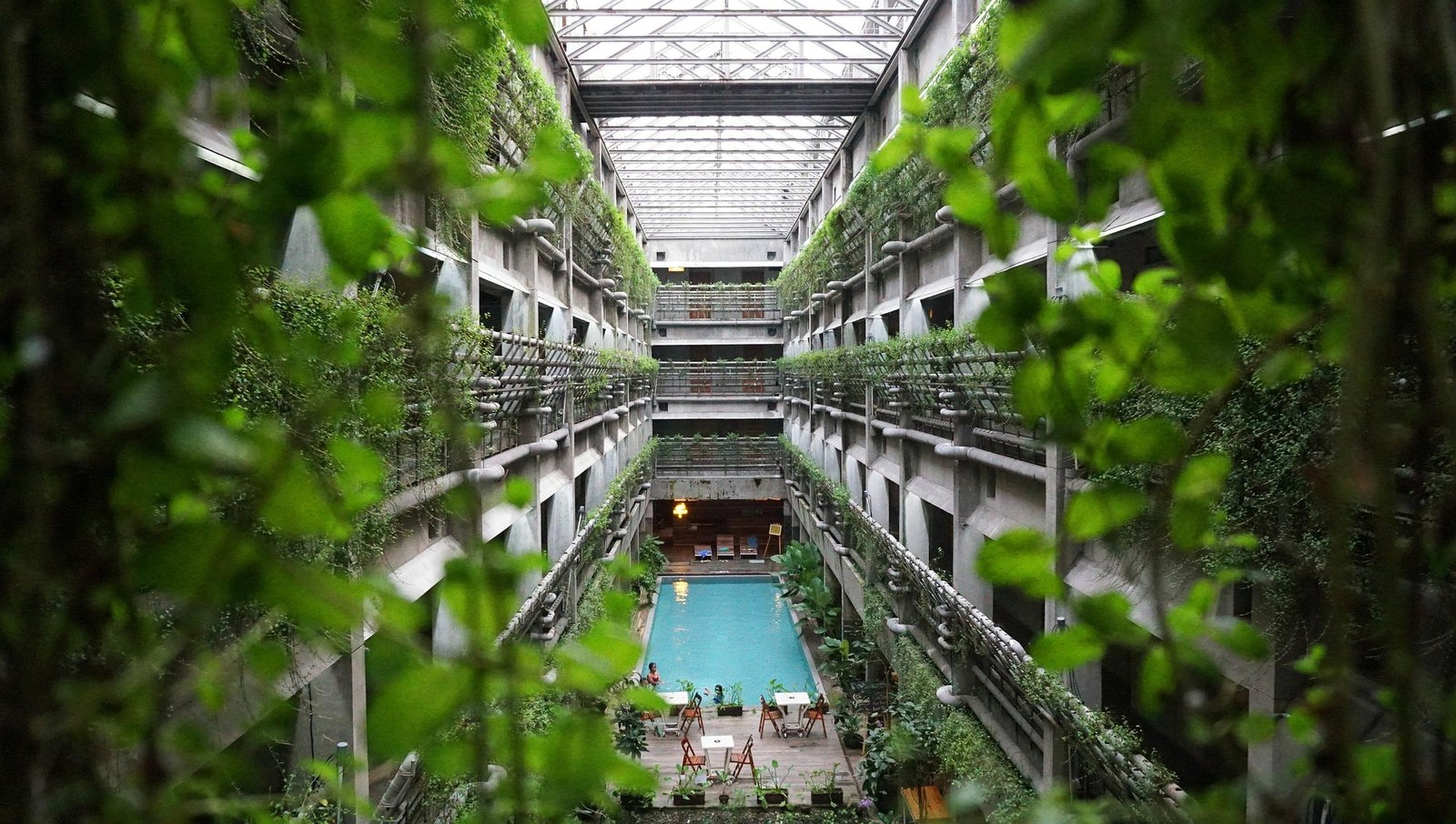
Introduction to Eco-Friendly Hotels
In recent years, the concept of eco-friendly hotels has gained significant traction as travelers increasingly seek sustainable options for their accommodations. Eco-friendly hotels prioritize environmentally responsible practices that contribute to the conservation of natural resources and the reduction of carbon footprints. By incorporating energy-efficient systems, sustainable building materials, and eco-friendly amenities, these establishments create a balance between luxury and environmental stewardship.
One of the cornerstones of eco-friendly hotels is the emphasis on eco-certification. Various organizations establish criteria for certification, assessing factors such as energy use, water conservation, waste management, and community engagement. This certification not only assures travelers that they are making environmentally conscious choices, but it also encourages hotels to adopt greener practices, ultimately leading to significant advancements in sustainable tourism. Travelers can actively choose accommodations that align with their values, supporting the transformation of the hospitality industry towards a greener future.
Moreover, eco-friendly hotels often emphasize the importance of reducing their carbon footprints. This commitment manifests in numerous ways, from utilizing renewable energy sources—such as solar or wind power—to implementing energy-saving technologies like LED lighting and smart climate control systems. Such initiatives not only help in mitigating climate change but also foster a culture of sustainability within the local community.
Additionally, eco-friendly hotels play a vital role in supporting local economies and communities. By sourcing food and materials locally, they create economic opportunities and promote regional traditions. Furthermore, many eco-friendly establishments engage in community projects or conservation efforts, demonstrating their dedication to not just environmental sustainability but also to social responsibility. As more travelers acknowledge the significance of sustainable practices, eco-friendly hotels will continue to emerge as crucial players in the tourism landscape across Canada.
Criteria for Eco-Friendly Certification
The growing demand for sustainable travel options has led to the emergence of eco-friendly hotels, which conform to a set of criteria that ensure their operations minimize environmental impact. To be certified as eco-friendly, hotels must first demonstrate energy efficiency. This includes the implementation of energy-saving technologies such as LED lighting, energy-efficient appliances, and the use of renewable energy sources like solar or wind power. Additionally, eco-friendly accommodations often conduct regular energy audits to identify and rectify inefficiencies in their operations.
Another pivotal criterion is water conservation efforts. Hotels that qualify for eco-friendly certification typically employ systems that reduce water usage, such as low-flow fixtures, rainwater harvesting systems, and water recycling programs. These initiatives not only conserve a vital resource but also serve to lower utility costs, benefitting both the environment and the establishment’s financial sustainability.
Sustainable sourcing is also a fundamental aspect of eco-friendly hotels. This pertains to the procurement of materials, amenities, and food sourced from local or sustainably-managed providers. By prioritizing local suppliers, these hotels reduce their carbon footprint and help foster the local economy. Additionally, the use of organic or ethically-produced products further enhances their commitment to sustainability.
Waste management practices are crucial for an eco-friendly certification. Hotels are encouraged to implement comprehensive recycling programs, composting initiatives, and strategies to minimize single-use plastics. This not only reduces waste sent to landfills but also promotes a more circular economy within the hospitality industry.
Lastly, a genuine commitment to local culture and community involvement is essential. Eco-friendly hotels often engage with surrounding communities through partnerships that support local artisans and promote cultural tourism, thereby enhancing both their authenticity and sustainability. By adhering to these criteria, hotels not only contribute positively to the environment but also provide guests with meaningful experiences that align with eco-conscious values.
Top Eco-Friendly Hotels in British Columbia
British Columbia, renowned for its stunning natural landscapes, is home to a variety of eco-friendly hotels that prioritize sustainability. Among these establishments, each offers unique initiatives that contribute to environmental conservation while providing exceptional guest experiences.
One noteworthy hotel is the Shangri-La Hotel Vancouver. This luxury hotel has implemented several green practices, including the use of building materials sourced from sustainable sources and energy-efficient systems. It features a comprehensive recycling program and offers locally sourced organic meals, further emphasizing its commitment to reducing its carbon footprint. Moreover, the hotel actively participates in community conservation efforts, making it a popular choice for eco-conscious travelers.
Another remarkable option is the Nimmo Bay Wilderness Resort, located in the Great Bear Rainforest. This resort not only provides access to breathtaking natural beauty but has also embraced sustainable tourism practices. The resort utilizes solar energy systems and natural building materials in its accommodations. Importantly, Nimmo Bay focuses on conservation efforts, collaborating with local organizations to protect marine life and preserve the region’s biodiversity.
For those seeking a more rustic experience, Clayoquot Wilderness Resort represents an ideal choice. This eco-resort combines luxury camping, known as glamping, with a commitment to sustainability. The resort maintains a low-impact approach, using solar power and eco-friendly sewage systems. Their efforts extend to wildlife conservation initiatives and educational programs that raise awareness about the importance of environmental stewardship in the area.
These hotels in British Columbia exemplify the growing trend of eco-friendly accommodations in the hospitality industry. By integrating sustainable practices, they not only cater to environmentally conscious travelers but also contribute significantly to the preservation of the stunning natural landscapes for future generations. Exploring these eco-friendly options is a commendable way to enjoy the beauty of British Columbia while supporting sustainability initiatives.
Best Green Hotels in Alberta
Alberta is home to an array of eco-friendly hotels that not only aim to provide comfort to guests but also commit to practices that prioritize the environment. Noteworthy establishments have implemented various strategies to minimize their ecological footprint while promoting sustainability. One prominent example is the Fairmont Banff Springs Hotel, which integrates conservation efforts into its operations. This iconic hotel is situated in a UNESCO World Heritage site and focuses on wildlife preservation initiatives, such as supporting local biodiversity and promoting responsible tourism practices in the surrounding national parks.
Another standout is the Hotel Arts in Calgary, which goes above and beyond in its sustainability efforts. The hotel sources food from local suppliers, reducing carbon emissions associated with transportation while supporting the regional economy. Furthermore, the hotel employs energy-efficient technologies and implements waste reduction programs that resonate with eco-conscious travelers, balancing luxury with responsible living.
The The Maligne Lodge in Jasper is also making commendable strides within the realm of eco-friendly accommodations. This lodge utilizes advanced water-saving technologies and emphasizes eco-awareness in its guest services. Aiding in local sustainability efforts, The Maligne Lodge collaborates with nearby artisans, showcasing their crafts and encouraging visitors to engage in the rich cultural heritage of the region.
Other notable mentions include the Points West Living chain, which focuses on promoting sustainable practices across its properties. They incorporate various eco-friendly techniques such as efficient waste management systems and optimized energy consumption to lessen their environmental impact significantly. Such hotels represent a growing trend in Alberta, reflecting a commitment to not only providing comfort but also fostering environmental stewardship that guests can appreciate.
Sustainable Lodging Options in Ontario
Ontario, a province renowned for its natural beauty and diverse landscapes, offers a variety of sustainable lodging options that reflect the commitment to environmental stewardship. These eco-friendly hotels and lodges promote responsible tourism while providing guests with the comfort and amenities expected from high-quality accommodations. From small boutique hotels to expansive rustic lodges, visitors can choose from various sustainable experiences that prioritize the planet’s well-being.
One notable establishment is the Elmhurst Inn & Spa, strategically located in southwestern Ontario. This eco-friendly hotel integrates sustainability into its operational practices through energy-efficient systems, waste reduction programs, and locally sourced food in its restaurant. Guests are encouraged to engage in eco-conscious activities, such as biking along nearby trails or exploring local nature reserves, all while enjoying the luxurious amenities of this remarkable retreat.
Another option, 4000 Islands Resort, located near the picturesque Thousand Islands region, showcases the beauty of sustainable lodging through its eco-friendly design and practices. This resort is committed to preserving its natural surroundings by employing green building techniques, utilizing renewable energy sources, and offering guests educational resources about local conservation efforts. Visitors can enjoy canoeing, kayaking, or simply relaxing amid the stunning landscapes, all while supporting eco-integrity.
Furthermore, The Bruce Peninsula National Park Lodge presents an opportunity for guests to immerse themselves in nature while benefiting from an environmentally conscious stay. The lodge offers eco-tours to promote awareness of the local flora and fauna, as well as accommodations that minimize environmental impact through sustainable sourcing. Guests can explore the nearby national park and engage in environmental stewardship, creating a memorable visit that aligns with responsible tourism.
For travelers seeking eco-friendly hotels in Ontario, the array of options available ensures that environmental responsibility and guest satisfaction go hand in hand, allowing for a fulfilling and sustainable experience.
Eco-Conscious Hotels in Quebec
Quebec, with its picturesque landscapes and vibrant cities, is also home to a growing number of eco-conscious hotels that prioritize sustainability and environmental responsibility. These establishments are taking significant strides towards reducing their carbon footprint while providing guests with an unforgettable experience. One noteworthy property is the Hôtel de Glace in Quebec City. Known for its stunning ice architecture, this hotel employs sustainable practices such as using solar energy for its operations and promoting winter eco-tours that allow guests to appreciate the natural beauty of the surrounding area.
Another remarkable option is the Montréal Marriott Chateau Champlain, which has implemented a comprehensive green initiative. This hotel focuses on waste reduction by recycling and composting, as well as offering organic dining options that feature locally sourced ingredients. By encouraging sustainability in their culinary practices, they provide guests with an authentic taste of Quebec’s rich agricultural heritage.
For travelers seeking a more rustic experience, Les Hôtels de Glace et de Neige offers unique eco-lodging in the heart of the forest. This hotel promotes sustainable tourism through its immersive outdoor experiences, emphasizing eco-tours that educate visitors about local ecosystems. Guests can partake in guided hikes, wildlife watching, and workshops that highlight the importance of conservation.
The commitment to sustainability is evident in these eco-conscious hotels throughout Quebec, which not only strive to reduce their environmental impact but also integrate community engagement into their practices. By supporting local artisans and cultural initiatives, these hotels contribute to the socio-economic growth of their regions. Travelers who choose eco-friendly hotels in Quebec can enjoy their stay while knowing they are making a positive impact on the environment and the local community.
Recognized Eco-Friendly Initiatives
The Canadian hospitality industry has made significant strides in adopting eco-friendly initiatives aimed at promoting sustainable tourism. Two prominent certifications that highlight these efforts are the Green Key Eco-Rating Program and the Leadership in Energy and Environmental Design (LEED). These programs serve as credible indicators of environmentally responsible practices in hotels across the country.
The Green Key Eco-Rating Program evaluates hotels based on various sustainable practices, which include energy conservation, waste reduction, and water management. Establishments that achieve a higher rating demonstrate a commitment to minimizing their environmental impact. This program not only recognizes the efforts of eco-friendly hotels but also educates consumers about the benefits of choosing accommodations that prioritize sustainability. Guests are increasingly aware of their environmental footprint, which is reflected in their preference for Green Key-certified establishments.
Similarly, the LEED certification focuses on the design, construction, and operation of buildings in alignment with rigorous environmental standards. Hotels that obtain LEED certification are acknowledged for their commitment to sustainability, utilizing resources efficiently and implementing renewable energy solutions. This certification has become a benchmark for eco-friendly building practices in Canada, influencing new developments in the hospitality sector.
Beyond certifying individual hotels, these initiatives shape consumer perceptions and drive market demand for sustainable accommodations. As awareness of climate change and environmental issues grows, travelers are more likely to select hotels that have recognized eco-friendly initiatives. This shift not only benefits the hotels through increased bookings but also promotes a broader culture of sustainability that can inspire other industries to adopt similar practices.
Tips for Choosing an Eco-Friendly Hotel
When it comes to selecting accommodations that align with your sustainability goals, several steps can help ensure that you choose an eco-friendly hotel for your travels in Canada. Start by researching the certifications that hotels might possess. Various organizations offer eco-labels indicating a hotel’s commitment to sustainable practices, such as the Green Key Eco-Rating Program or LEED certification. These certifications can provide valuable insight into the environmental standards upheld by a hotel.
In addition to looking for certifications, it is important to delve deeper into a hotel’s specific sustainability practices. Review the hotel’s website or contact them directly to understand their initiatives, such as energy efficiency measures, water conservation efforts, waste management practices, and sourcing of local products. For example, some eco-friendly hotels may utilize solar energy, implement water recycling systems, or support local communities by partnering with nearby businesses for food services and tours. This knowledge will empower you to make an informed decision about the environmental impact of your lodging choice.
Moreover, consider utilizing various apps or websites dedicated to sustainable travel. Platforms like EcoBnB, Green Hotel World, or Bookdifferent provide listings of eco-friendly accommodations, often with detailed information about their environmentally friendly practices. These resources can also feature user reviews and ratings that focus on sustainability aspects, giving you additional perspectives from fellow travelers. Utilizing these tools can simplify your search and help you find hotels that truly prioritize eco-conscious operations.
Ultimately, making detailed inquiries and employing specialized resources will assist you in selecting an eco-friendly hotel in Canada, enhancing your travel experience while promoting sustainability.
Conclusion: The Future of Eco-Friendly Travel in Canada
The trajectory of eco-friendly travel in Canada is on an upward slope, driven by an increasing awareness of environmental issues and a demand for sustainable accommodation options. As travelers are becoming more conscientious about their impact on the planet, the hospitality industry is responding by incorporating eco-friendly practices into their operations. This shift is not only beneficial for the environment but also enhances the overall travel experience, allowing guests to feel good about their choices and the money they invest in local economies.
Moreover, the rise of eco-friendly hotels signifies a broader cultural shift towards sustainability. Establishments that prioritize green initiatives—such as energy-efficient systems, waste reduction programs, and sourcing local products—are attracting a growing segment of environmentally motivated travelers. This indicates that individual choices do matter; by opting for eco-friendly hotels, consumers can influence the market and encourage more businesses to adopt sustainable practices.
The importance of eco-friendly travel is also evident in its potential for long-lasting impacts on local communities and ecosystems. Sustainable tourism can help preserve natural landscapes and ensure that local cultures thrive. When travelers choose accommodations that actively participate in conservation efforts, they not only help mitigate environmental harm but also support those who rely on the tourism industry for their livelihood. Ultimately, the future of eco-friendly travel in Canada seems promising, representing a harmonious blend of luxury and responsibility.
As awareness grows and demand for sustainable practices increases, both travelers and the hospitality industry are positioned to play pivotal roles in shaping a more environmentally-conscious travel landscape. By continuing to prioritize eco-friendly options, Canada sets a robust example for other nations to follow in a collective effort to preserve our planet for future generations.
No responses yet