
Introduction to Dog Sledding
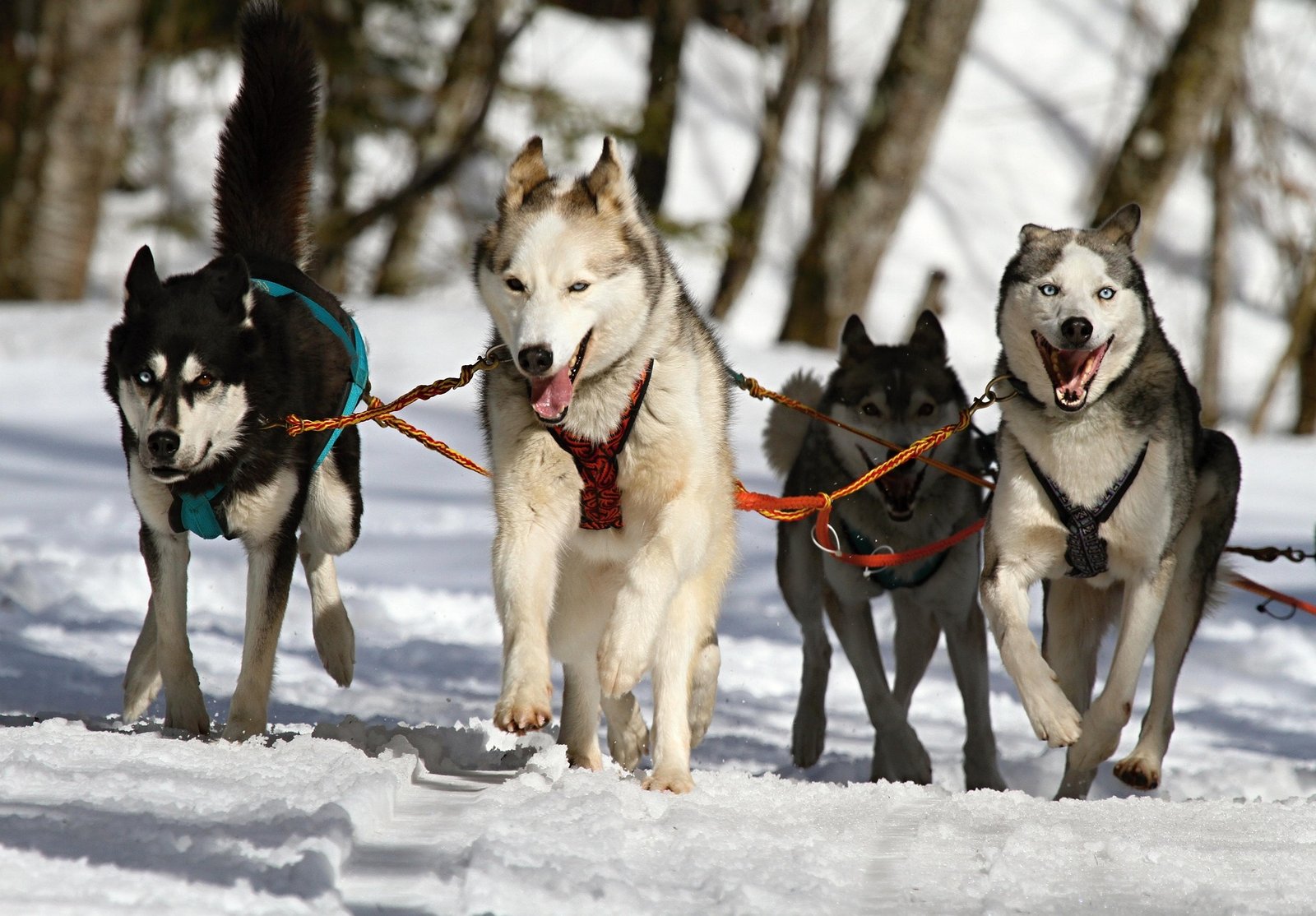
Dog sledding stands as a quintessential activity in Canada’s winter landscape, capturing the thrill and wonder of traversing snowy terrains with a team of powerful canines. Originating from the need for efficient transportation in Arctic and sub-Arctic regions, this method was historically employed by indigenous peoples and later by explorers and settlers. The significance of dog sledding in Canadian culture cannot be overstated, as it embodies resilience, cooperation, and the profound bond between humans and dogs.
Over the years, dog sledding has transitioned from a crucial means of transportation to a captivating recreational sport enjoyed by adventurers and nature enthusiasts. Today, dog sledding is often sought after by individuals looking for unique ways to explore the stunning winter wilderness of Canada. Tour operators across the country have embraced this dynamic activity, offering guided experiences that highlight the thrill of mushing alongside expertly trained sled dogs. These excursions not only provide adventure-seekers with an exhilarating way to experience the snowy landscape but also pay homage to the rich history of this traditional practice.
For many indigenous communities, dog sledding remains a recognizable aspect of their identity and cultural heritage. The sled dogs, often bred for their strength, endurance, and ability to navigate challenging conditions, serve as more than mere transportation: they represent a way of life tied to the land and its seasons. This cultural relevance is increasingly acknowledged by those participating in dog sledding, contributing to a greater appreciation for indigenous practices and lifestyles.
As dog sledding continues to gain popularity, it remains essential to recognize and respect its roots, understanding how this remarkable activity has evolved while fostering a connection to both nature and Canadian heritage.
Choosing the Right Location
Dog sledding offers an exhilarating way to explore Canada’s winter landscapes, but selecting the right location is crucial for a memorable experience. Three of the most popular dog sledding destinations in Canada are Whistler, Banff, and Yukon, each offering unique features that cater to various preferences and skill levels.
Whistler, nestled in British Columbia, is renowned for its breathtaking scenery and diverse trails. The terrain ranges from alpine meadows to dense forests, allowing for a variety of dog sledding experiences. Tours in Whistler often provide experienced mushers who lead groups through scenic routes, ensuring safety and enjoyment. The best time for dog sledding in Whistler typically spans from late December to early March, when the snow is most reliable.
Moving east, Banff National Park in Alberta presents a majestic backdrop of rugged peaks and pristine wilderness, making it another prime location for dog sledding. The trails here are well-maintained and offer stunning views of the surrounding mountains and frozen lakes. Banff’s tours are tailored to all skill levels, ranging from beginner-friendly outings to more challenging expeditions. Winter in Banff runs from November through April, providing a lengthy season for enthusiasts.
Yukon, in northern Canada, brings a unique element of adventure to dog sledding. Its remote wilderness, expansive trails, and Northern Lights create an extraordinary backdrop for this activity. While the winter season is longer in Yukon, from late September to late April, it is essential to prepare for colder conditions and potential wildlife encounters. Dog sledding tours in Yukon are more varied, with options often including multi-day adventures.
In evaluating these locations, factors such as trail quality, scenic views, and the overall dog sledding experience should guide your choice. Understanding regional weather conditions will enhance your planning and enjoyment, ensuring that your dog sledding adventure in Canada’s winter wonderland is nothing short of spectacular.
Types of Dog Sledding Tours
Dog sledding in Canada offers a rich variety of tours, each uniquely tailored to provide different experiences to adventurers, whether they are beginners or seasoned mushers. The primary types of dog sledding tours include half-day, full-day, multi-day, and overnight adventures, each presenting unique opportunities to explore the majestic winter landscapes.
Half-day tours are ideal for individuals or families seeking a brief yet exhilarating experience. These tours typically last around three to four hours and often include opportunities for participants to get hands-on with the dogs, learning how to harness and care for them. While the terrain may vary, half-day tours usually cover a manageable distance that allows for both enjoyment and interaction without overwhelming novice sledders.
Full-day tours extend the adventure, providing an immersive experience into the serene wilderness. Lasting six to eight hours, these tours often include meal breaks, allowing participants to savor local cuisine while enjoying the stunning surroundings. Full-day tours typically involve traveling longer distances and navigating varied terrains, offering a chance for more significant engagement with the dogs.
For those seeking to truly immerse themselves in the experience, multi-day tours present a profound way to explore the land. These tours can last for several days and often require participants to camp or stay in rustic lodges. Multi-day adventures allow individuals to develop deeper relationships with the sled dogs, while also learning advanced mushing techniques and navigating through remote locations.
Lastly, overnight adventures combine elements of full-day tours with the appeal of camping under the vast, starry skies. Participants typically spend the night in cozy accommodations or in tents, embracing the camaraderie and tranquility of the wilderness. This type of tour provides an exceptional chance to bond with the dogs and enjoy an authentic sledding experience. Each tour type caters to the specific interests and skill levels of participants, ensuring a memorable journey through Canada’s captivating winter wonderland.
What to Expect on Your First Sledding Adventure
Embarking on your first dog sledding adventure in Canada is an exhilarating experience that promises breathtaking scenery and a unique interaction with nature. Before you hit the trails, there are some essential pre-tour preparations. It is advisable to dress in warm, layered clothing to combat the chill of the winter air. Thermal underwear, insulated jackets, and waterproof boots are highly recommended, as well as accessories such as gloves, scarves, and hats. Ensuring you are adequately prepared will contribute to your overall comfort during the trek.
Upon arrival at the sledding location, you will be introduced to the team of trained sledding dogs. These remarkable animals are not only athletes but are also extremely sociable and friendly. Each dog has its own unique temperament, and interacting with them helps establish a bond, enhancing your adventure. The guide or sledding instructor will provide an overview of the dog sledding team, explaining the role of each dog and the dynamics of working together as a pack.
Once familiar with the dogs, you’ll learn basic sledding techniques. The guide will explain how to control the sled using the brake and the steering mechanisms. It’s vital to understand how to communicate with your team, both verbally and through body movements, to ensure a smooth experience. Safety is paramount in dog sledding, and the guides will discuss important safety measures, including proper sled positioning and how to effectively respond to any unexpected situations that may arise during your adventure.
Most dog sledding tours provide essential gear, but it’s wise to double-check with your provider about what to bring. While the company typically supplies sleds, harnesses, and safety equipment, personal gear such as sunglasses and protective gloves may be advisable. By following your guide’s instructions carefully and embracing the spirit of adventure, you will undoubtedly enjoy an unforgettable sledding experience amid Canada’s stunning winter landscapes.
Gear and Clothing Essentials
Engaging in dog sledding amidst the breathtaking landscapes of Canada requires not only a passion for adventure but also the appropriate gear and clothing essentials. The key to an enjoyable and safe experience lies in being adequately prepared for the extreme cold. Dressing in layers is crucial for maintaining warmth while allowing for flexibility in managing body temperature. Start with a moisture-wicking base layer to keep sweat at bay, which will help regulate body temperature and stave off chills. On top of this, an insulating layer, such as fleece or down, will provide essential warmth. Finally, a waterproof and windproof outer layer is indispensable, protecting against the elements.
When it comes to footwear, selecting suitable insulated boots is vital. Look for boots that are not only warm but also provide good traction, as snowy and icy terrains can be slippery. It is advisable to choose boots that are a size larger to accommodate thick socks, ensuring comfort during extended periods outdoors. Additionally, thermal socks are an excellent choice to provide extra warmth while reducing moisture build-up.
Hand and foot warmers are practical additions to your gear, offering immediate relief in extremely cold conditions. They can be conveniently tucked into gloves or boots for added comfort. Accompany these with insulated gloves or mittens, choosing materials that provide a good balance of warmth and dexterity for handling sledding equipment. Personal items, such as lip balm to combat chapped lips and sunscreen for exposed skin, are often overlooked yet crucial when participating in outdoor activities.
Finally, don’t forget to bring a backpack equipped with hydration packs or thermoses filled with warm beverages. Staying hydrated is vital, even in winter. By ensuring you have the right gear and clothing, your dog sledding experience in Canada’s winter wonderland can be both comfortable and exhilarating.
Understanding the Dogs and Their Care
Dog sledding is a captivating activity deeply rooted in the history and culture of Canada. At the heart of this thrilling experience are the splendid canine athletes, primarily composed of breeds like Siberian Huskies and Alaskan Malamutes, which are revered for their strength, agility, and endurance. These breeds have evolved to thrive in harsh, icy conditions, making them exceptionally well-suited for the challenges presented in dog sledding.
Siberian Huskies are known for their friendly demeanor and high energy levels. They possess a strong pack mentality, which is essential for working alongside other dogs during sledding. Their thick double coats allow them to maintain comfort even in the coldest temperatures. Conversely, Alaskan Malamutes, larger and more powerful, are bred for strength and endurance, making them ideal for pulling heavier loads over long distances. Their intelligence and affectionate nature further enhance their appeal as sled dogs.
Training is a critical aspect of preparing these dogs for sledding activities. Positive reinforcement techniques are commonly employed to ensure a well-mannered team. Teaching commands and fostering good behavior requires consistent effort and patience. Additionally, acclimatization to the sled and the harness is essential to help dogs understand their role within the team dynamic.
Proper care for these working dogs is paramount to their health and well-being. A balanced diet is vital, with emphasis on high-quality protein to sustain their energy levels during rigorous activities. Regular veterinary check-ups, vaccinations, and appropriate grooming ensure that the dogs remain fit for work. Moreover, it is important to provide adequate rest, allowing the dogs to recuperate after exertion. Above all, ethical treatment and respect for these animals should guide all participation in dog sledding, ensuring they are cherished as partners in this beloved winter sport.
Capturing the Experience: Photography Tips
Embarking on a dog sledding adventure amidst Canada’s breathtaking winter landscape offers a unique opportunity to capture stunning photographs. However, the snowy environment presents specific challenges that require thoughtful techniques to overcome. To maximize the quality of your photos while dog sledding, there are several essential photography tips to consider.
First, familiarity with your camera is crucial. If possible, use a camera that allows for manual settings. This flexibility is especially valuable in bright, reflective snowy conditions where automatic settings may struggle. Set your exposure compensation to +1 or +2 to address the light reflecting off the snow, guaranteeing your images do not appear dull or underexposed.
When photographing moving subjects, such as the dog sled team in action, using a fast shutter speed is vital to avoid motion blur. Capture the thrill of the moment by employing a shutter speed of at least 1/500 seconds. Panning with the dogs as they glide through the snow can also add dynamic movement to your shots, showcasing the speed and excitement of your experience.
Angles and lighting play integral roles in photography. Aim to capture your images at eye level, positioning yourself at the dogs’ height, which creates a more immersive perspective. Additionally, during golden hour—shortly after sunrise or before sunset—the soft, warm light adds a magical quality to your photographs. This gentle illumination beautifully contrasts against the pristine white snow and can enhance the vibrancy of your sledding experience.
Regarding equipment, consider using a weather-sealed camera or protective gear for your device, as winter conditions can be harsh. A zoom lens may also offer versatility, allowing you to frame the action from varying distances without disturbing the dogs or mushers. With these photography tips, your dog sledding adventure will not only be memorable but also visually captivating.
Post-Sledding Activities
After an exhilarating dog sledding adventure in Canada’s winter wonderland, visitors have an array of activities to further enrich their experience. The majestic landscapes that serve as the backdrop for dog sledding also host a myriad of local attractions, cultural experiences, and outdoor pursuits. One engaging option is snowshoeing, which allows individuals to explore scenic trails while immersing themselves in the serene beauty of the snow-covered wilderness.
Snowshoeing is accessible for all skill levels, making it an excellent choice for both beginners and seasoned adventurers. Many regions offer guided tours that cater to various age groups and physical abilities, ensuring that everyone can partake in this enjoyable winter activity. Furthermore, it provides an exhilarating way to discover hidden gems in the local environment, from tranquil forests to breathtaking vistas.
For those interested in cultural experiences, visiting local Indigenous communities provides a unique opportunity to learn about the traditions and lifestyles of the First Nations. Engaging in storytelling sessions or participating in traditional winter festivals can give visitors insight into the rich heritage of the region. These cultural events often feature local cuisine, art, and music, creating a vibrant atmosphere that showcases the essence of Canadian winter life.
Additionally, ice fishing emerges as another popular post-sledding experience. This peaceful activity allows individuals to connect with nature while trying their hand at catching various fish species that thrive in frozen lakes. Guided ice fishing tours are available, often providing all necessary equipment and local expertise.
To maximize a winter trip in Canada beyond just dog sledding, visitors are encouraged to explore these diverse activities. By blending outdoor adventures with cultural discovery, travelers can truly appreciate the richness of the Canadian winter landscape and create lasting memories that transcend the dog sledding experience.
Conclusion and Final Tips
As we conclude this comprehensive guide to dog sledding in Canada’s winter wonderland, it is essential to reflect on the many exciting experiences this adventure offers. Dog sledding provides a unique opportunity to connect with nature, engage with highly trained sled dogs, and enjoy the stunning landscapes that Canada has to offer. This thrilling activity not only fosters a sense of adventure but also promotes an appreciation for the bond between humans and these remarkable animals.
Throughout this guide, we have explored various crucial aspects of dog sledding, including the types of tours available, the importance of selecting a responsible tour operator, and the necessary preparations to ensure a safe and enjoyable experience. Emphasizing the essential elements of safety and respect for both the environment and the dogs enhances your overall adventure while minimizing potential risks. As you prepare for this unique journey, keep in mind the importance of dressing appropriately for the cold, staying hydrated, and following all guidelines provided by your tour guides.
Moreover, it is vital to maintain a courteous attitude towards fellow adventurers and the dog teams. Remember that these dogs work hard and deserve our respect and care. Ensuring that you follow all instructions related to handling, approaching, and interacting with them contributes to their well-being and reinforces the values of responsible tourism.
In summary, dog sledding represents not just an exhilarating adventure across breathtaking snowy terrains but also an opportunity to learn and grow in harmony with nature and animals. By approaching this experience with respect and an open heart, you can create lasting memories and foster a deeper connection to the incredible beauty of Canada’s winter landscape. Embrace the adventure, and may your dog sledding journey be filled with joy, wonder, and unparalleled excitement.
No responses yet