
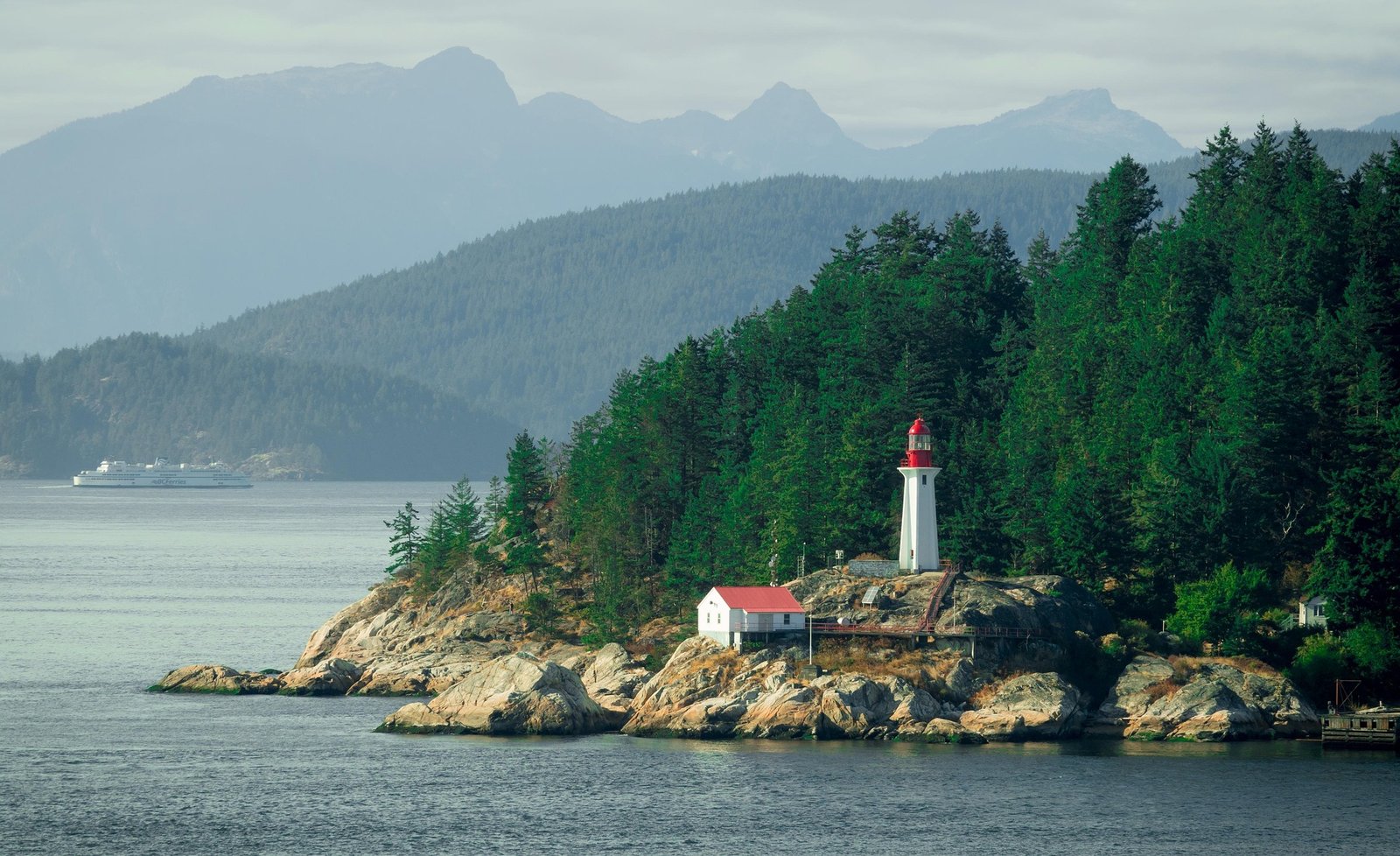
Introduction to Canada’s Lighthouses
Canada’s maritime history is deeply intertwined with the significance of its lighthouses. These iconic structures have served as beacons of light and guidance for sailors navigating the vast waters surrounding the country. With over 1,000 lighthouses dotting the coastline, their roles extend beyond mere functionality; they symbolize the rich cultural heritage and the enduring spirit of maritime navigation. From the bustling ports of British Columbia to the rugged shores of Newfoundland, each lighthouse tells a unique story of the challenges faced by seafarers and the communities that have flourished beside them.
Historically, lighthouses have played an essential role in ensuring safe passage for ships, marking dangerous coastlines, hazardous shoals, and safe entry points to harbors. The distinctive designs and varied architectural styles reflect the local culture and the technological advancements of their time. While many lighthouses were constructed in the 19th century, their continued presence serves as a reminder of Canada’s commitment to safe navigation and maritime protection. As they light the way for ship captains, they also capture the imagination of travelers and history enthusiasts alike.
Many of Canada’s lighthouses are now celebrated not only for their functional aspects but also for their aesthetic appeal. The captivating views they offer, combined with their historical significance, make them popular destinations for those exploring the country. Visiting these architectural gems provides a unique opportunity to engage with the past and appreciate the beauty of the landscapes that surround them. As this guide explores specific lighthouses, readers will discover how these monumental structures embody the maritime heritage of Canada, enticing both visitors and locals to delve deeper into their history and charm.
Top Five Lighthouses to Visit
Canada’s coastline is home to an array of enchanting lighthouses, each boasting unique characteristics and histories. Here, we delve into five of the most picturesque lighthouses that promise to charm visitors with their architectural beauty and stunning surroundings.
The first on our list is the Peggy’s Cove Lighthouse, located in Nova Scotia. This iconic structure, built in 1915, is renowned for its striking white exterior juxtaposed against the rugged granite rocks of the cove. Visitors are drawn to its picturesque setting, especially at sunrise and sunset, providing an ideal backdrop for photography enthusiasts. The surrounding village, steeped in maritime culture, enriches the experience.
Next, we travel to British Columbia to visit the Race Rocks Lighthouse. Situated on Race Rocks, this lighthouse has been a guiding beacon since 1860. Surrounded by rich marine life, its preservation has become a focus for environmental conservation. The rugged landscape and the diverse ecosystem make it a must-visit for naturalists and wildlife watchers.
Located on the shores of Lake Superior, the Split Rock Lighthouse in Minnesota, although just across the border, deserves mention. Built in 1910, it offers breathtaking views and a fascinating visitor center where guests can learn about its history, including its role in ship safety during treacherous storms. The cliffside perspective adds to the charm and allure.
Further east, the Cape Hatteras Lighthouse in North Carolina stands tall as America’s tallest lighthouse. This structure is famous for its distinctive black and white spiral pattern, making it an exceptional visual landmark. Visitors can climb its 257 steps to enjoy stunning vistas of the Outer Banks.
Lastly, the Fathom Five National Marine Park Lighthouse in Ontario is a hidden gem. Situated on Flowerpot Island, this beautifully restored lighthouse is notable for its scenic surroundings and unique geological formations. Guided tours offer insights into the region’s shipping history and the lighthouse’s vital role in maritime navigation.
These lighthouses not only serve as navigational aids but also as historical monuments, each telling a story of Canada’s rich maritime heritage. Traveling to these picturesque locales will undoubtedly enhance any travel itinerary.
How to Get There: Travel Tips
Visiting the picturesque lighthouses of Canada offers travelers a chance to explore some of the nation’s most stunning coastal views. Knowing how to reach these iconic landmarks can enhance your journey and ensure a memorable experience. The first step in planning your trip is identifying the nearest major airports. For instance, if you are visiting the Cape Breton Highlands and its lighthouses, the Sydney Airport serves as a convenient access point. Similarly, for those headed to the west coast, the Victoria International Airport provides easy access to lighthouses in British Columbia.
After arriving at your chosen airport, renting a car is often the most flexible and practical way to reach various lighthouses. Canada’s vast landscapes often require travelers to venture off the beaten path, and a rental car allows for spontaneity, making it easier to explore detours and enjoy scenic routes. Road access to lighthouses is generally well-marked; however, it is advisable to consult detailed maps or travel guides that highlight recommended paths, especially for the more remote locations.
For those who prefer not to drive, several bus services connect major cities to popular lighthouse destinations. Ferry services are also an excellent option for accessing coastal islands, which may be home to some of Canada’s most beautiful lighthouses. Make sure to check the ferry schedules in advance, as timings may vary based on the season. Regarding optimal travel times, late spring to early fall tend to be ideal, with pleasant weather providing the perfect backdrop for your lighthouse explorations. This timeframe ensures you can enjoy not only the lighthouses themselves but also the surrounding outdoor activities that accompany these coastal gems.
Best Times to Visit
When planning a visit to Canada’s picturesque lighthouses, it is essential to consider the various seasons to fully appreciate each location’s unique beauty and accessibility. The best times to visit largely depend on the geographical location and climate of the specific lighthouse, as well as the activities and events that may enhance your experience.
Summer, spanning from June to August, is generally the most popular time for tourists seeking to experience the warmth and vibrant buzz surrounding coastal lighthouses. During this season, visitors can enjoy long, sunny days, perfect for outdoor activities such as hiking, kayaking, and photography. Many lighthouses also host local events and festivals, allowing travelers to engage with the community and enjoy unique cultural experiences. The vibrant summer colors of flowers and lush greenery add to the scenic backdrop, making it an ideal time for exploration.
Autumn, particularly September to early October, is another beautiful time to visit these iconic structures. This season is characterized by the stunning autumn foliage, transforming landscapes into an array of warm colors. Photographers and nature enthusiasts alike will find this to be an exceptional opportunity to capture the striking contrast between the lighthouses and the vibrant fall leaves. Additionally, the weather is often mild, allowing for comfortable exploration without the summer crowds.
Spring, from April to June, ushers in a period of renewal and blooming flora. While the weather can be unpredictable, early spring ventures can lead to brilliant views and fewer tourists. Finally, winter offers a tranquil quality, especially at lighthouses located in colder regions, where the landscape is often blanketed in snow. Though it may pose challenges for accessibility, the serene beauty of ice-covered surrounds makes for a truly unique experience.
Activities Around the Lighthouses
Visiting Canada’s picturesque lighthouses not only offers breathtaking views but also a plethora of activities that allow visitors to engage with the natural beauty and local culture. Each lighthouse is often surrounded by scenic landscapes, making them ideal points for hiking and exploring trails that cater to adventurers of all skill levels. For instance, the trails near Peggy’s Cove Lighthouse in Nova Scotia provide stunning views of rugged coastlines and are perfect for a leisurely stroll or a challenging hike.
Photography enthusiasts will find these sites to be a treasure trove of visual inspiration. The combination of dramatic cliffs, crashing waves, and quaint fishing villages creates the perfect setting for capturing memorable images. Dawn and dusk are particularly magical times for photography sessions, as the lighthouses—often painted in bright reds or whites—stand in stark contrast to the vivid colors of the sunrise or sunset.
Many lighthouses are also located near picturesque beaches where visitors can indulge in sunbathing, swimming, or simply enjoying a leisurely day by the sea. Beaches such as those found near the Cape Hatteras Lighthouse in North Carolina are not only stunning but also provide opportunities for water sports like kayaking and paddleboarding. Additionally, beach outings can be both relaxing and invigorating, enhancing the overall experience of a visit to the lighthouse.
Beyond the natural attractions, local cultural experiences should not be missed. Many lighthouse regions feature museums, art galleries, and markets that showcase regional crafts and cuisine. Engaging with local artisans and indulging in fresh seafood are excellent ways to immerse oneself in the surrounding community. Whether it’s hiking trails, capturing scenic vistas, relaxing on sandy shores, or exploring vibrant local culture, the activities surrounding Canada’s lighthouses promise to enrich any traveler’s experience.
Safety Considerations
When embarking on a journey to explore Canada’s scenic lighthouses, it is essential to prioritize safety while enjoying the coastal landscapes. The alluring views and historical significance of these structures often draw travelers to their locations, but the surrounding environments can pose particular challenges. Therefore, adhering to basic safety guidelines is fundamental to ensure an enjoyable visit.
One of the most critical aspects of coastal exploration is to be aware of strong tides and currents. The marine environment can change rapidly, making it essential to understand tide tables and plan visits accordingly. Always check local tide schedules before embarking on a journey, as going too close to the water during high tide can lead to dangerous situations. It is advisable to stay a safe distance from rocky shorelines where waves can unpredictably crash, potentially causing slips or falls.
Visitors should also equip themselves with appropriate gear tailored for outdoor exploration. Sturdy footwear is crucial for navigating uneven terrain, while layered clothing helps adjust to the varying weather conditions typical of coastal regions. A well-equipped backpack should include essentials such as water, snacks, a first-aid kit, and a reliable navigation tool like a map or compass. In addition, bringing a flashlight or headlamp can be beneficial, especially if planning on visiting during the early morning or late evening hours.
Wildlife encounters are another consideration while exploring scenic lighthouses. Canada’s diverse ecosystem features various animals, including birds and marine mammals. Travelers should respect wildlife by observing from a distance and avoiding feeding or approaching them. It is also prudent to remain cautious of any signs indicating the presence of wildlife. Understanding and respecting the coastal environment will greatly enhance the safety of your adventure.
Lighthouse Preservation Efforts
Canada’s lighthouses are not only iconic maritime landmarks but also vital historical structures that tell the story of the nation’s maritime heritage. Preservation of these lighthouses is essential for maintaining their historical significance and ensuring they continue to serve as navigational aids. Various organizations and community initiatives across Canada are dedicated to the conservation of these structures, recognizing their cultural and historical importance.
One of the key organizations involved in lighthouse preservation is the Canadian Lighthouse Preservation Society (CLPS). This non-profit organization focuses on promoting awareness of the significance of lighthouses and works tirelessly to support efforts aimed at restoring and maintaining these historic sites. Through educational campaigns, they aim to involve local communities and instill a sense of pride and responsibility towards these landmarks. The CLPS also collaborates with government agencies to advocate for policies that protect and maintain lighthouses across the country.
Local volunteer groups play an essential role in lighthouse preservation as well. Many communities rally together to uphold their heritage by organizing clean-up events, restoration projects, and fundraising activities. Such initiatives not only enhance the structural integrity of the lighthouses but also foster a strong community bond, creating a shared sense of ownership among residents and visitors alike. For instance, local festivals and open houses often feature lighthouse tours, allowing the public to explore these magnificent structures while raising funds for their upkeep.
Visitors can also participate in preservation efforts by supporting heritage organizations, volunteering for local initiatives, or simply visiting these sites, which often generate visitor fees that contribute to maintenance funds. Every small effort counts in ensuring that Canada’s lighthouses continue to be revered symbols of maritime culture for generations to come.
Local Cuisine to Discover
As travelers embark on their journey to explore Canada’s most picturesque lighthouses, indulging in the local cuisine becomes an integral part of the adventure. Each coastal region boasts its own unique culinary offerings that not only complement the stunning lighthouse landscapes but also provide an authentic taste of Canadian culture. From fresh seafood to traditional dishes, there is a myriad of options to satisfy every palate.
In the maritime provinces, where many lighthouses are located, seafood reigns supreme. Visitors to Nova Scotia should not miss out on indulging in the region’s famed lobster rolls, often found at quaint seaside shacks near the lighthouses. Freshly caught scallops and haddock are also prevalent, typically served with traditional sides like coleslaw and fries. The charm of enjoying a meal by the Atlantic Ocean is a unique experience that enhances the lighthouse visit.
Moving towards British Columbia, the cuisine here reflects a melting pot of cultures. Travelers will find a robust selection of Asian-inspired dishes, thanks to the province’s diverse population. Enjoying a plate of fish tacos or salmon sushi with a stunning ocean backdrop, just steps away from one of the iconic lighthouses, is a must. The use of locally-sourced ingredients ensures that each dish resonates with the flavors of the Pacific region.
For those exploring the Great Lakes region, hearty Midwestern cuisine awaits. Travelers should seek out local establishments serving dishes such as perch fish fry and savory pasties. These traditional meals provide a sense of the area’s history and agricultural roots. Dining at restaurants that emphasize farm-to-table practices will enhance the traveler’s connection to the region while savoring dishes made from locally grown produce.
In conclusion, the culinary landscape surrounding Canada’s lighthouses is as diverse and inviting as the breathtaking views themselves. By taking the time to savor local dishes, travelers can forge a deeper connection with the areas they explore.
Conclusion and Personal Reflections
As this journey through Canada’s most picturesque lighthouses comes to a close, it is essential to reflect on the enduring allure of these maritime sentinels. Each lighthouse embodies not only a striking visual landmark but also a rich tapestry of history, culture, and artistry that resonates with visitors. From the rugged coasts of British Columbia to the charming shores of Nova Scotia, these beacons of light offer unique insights into Canada’s maritime heritage.
Planning a visit to these lighthouses offers the opportunity to create personal adventure stories steeped in exploration and discovery. Whether you witness the dramatic ocean waves crash against the cliffs or enjoy the tranquility of a sunset silhouetting a distant lighthouse, the experiences await eager travelers. Engaging with these iconic structures allows individuals to delve into the narratives of the fishermen, sailors, and communities that incorporate lighthouses into their daily lives. Each lighthouse stands as a testament to the resilience and spirit of those who navigated treacherous waters, and sharing these stories can forge connections with others who appreciate the maritime history.
In closing, visiting Canada’s lighthouses is not merely about sightseeing; it is about embracing a journey that deepens one’s appreciation for the beauty of nature and the milestones of human engineering. We encourage you to immerse yourself in the charm and narratives of these remarkable landmarks. Plan your lighthouse adventure, watch the waves dance at the shore, and forge memories that will last a lifetime. By experiencing these energizing locales firsthand, you too can become a part of the continuing story woven into the fabric of Canada’s nautical landscape.
No responses yet